The Dr.Prime
Sleep Guide
Everything you need to know to sleep better, recover faster, and wake up without pain. This guide covers sleep posture, cervical pillow usage, care instructions, and habits that protect your spine during sleep.

1. Dr.Prime Unboxing
Follow these simple steps to unbox and prepare your DR.PRIME cervical pillow for its first night of perfect sleep support.
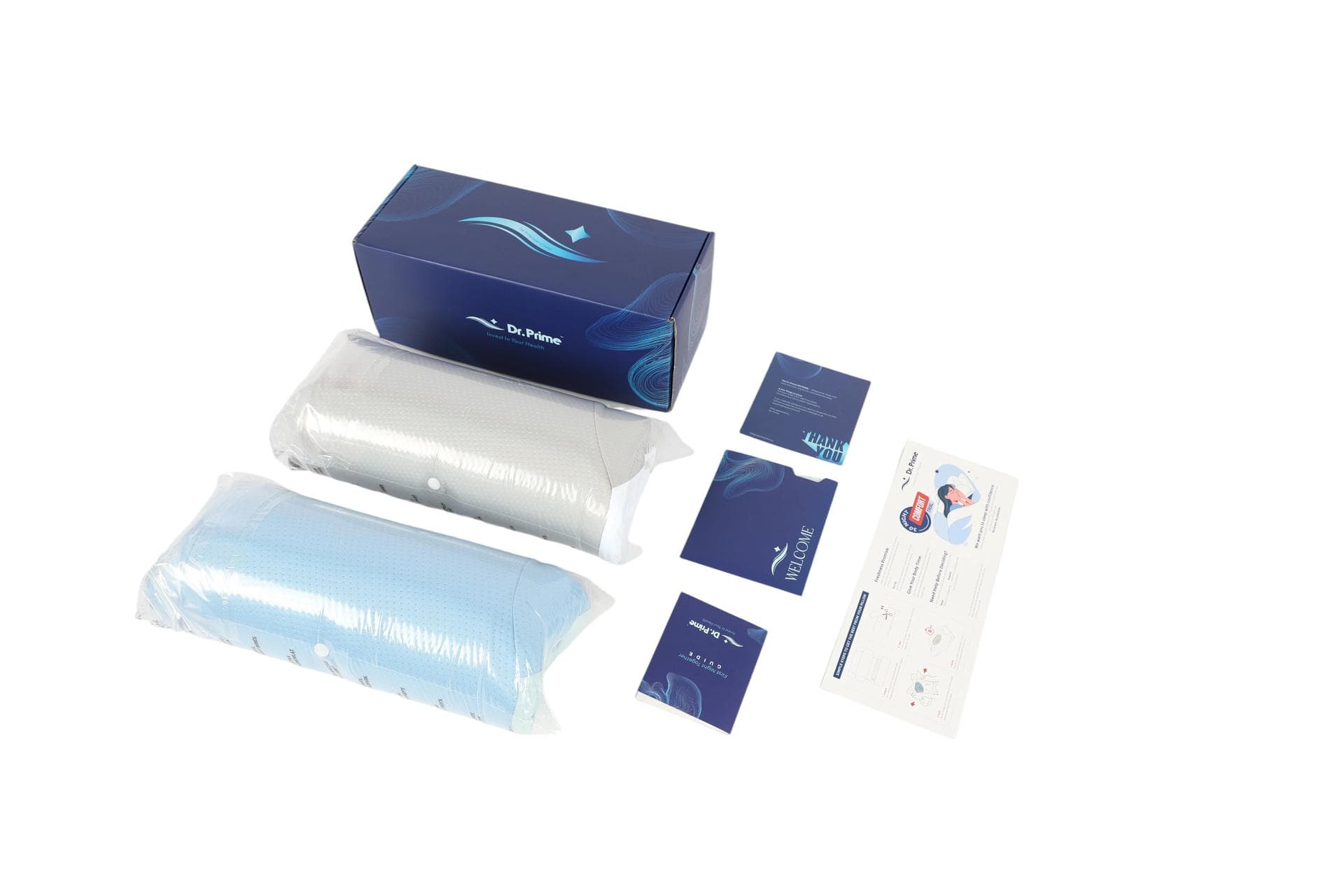
Step 1 — Open the Color Box
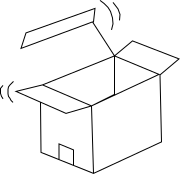
Take your DR.PRIME box and open it from the top. Inside you will find the pillow sealed in a PE bag along with your bifold manual, thank you card, and product insert card.

Step 2 — Take Out the PE Bag
Remove the PE bag from the box. Your pillow is Compressed inside this bag to keep it protected and compact during shipping.
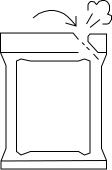
Step 3 — Open the PE Bag
Cut along the top of the PE bag carefully using a pair of scissors. Be careful not to cut into the pillow inside.
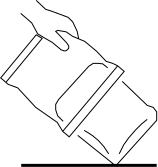
Step 4 — Remove the Pillow
Take the pillow out of the PE bag. It will be compressed and flat at this point — this is completely normal.
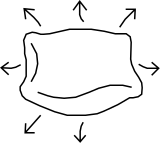
Step 5 — Let It Expand
Place the pillow flat on your bed and let it breathe. It will regain about 80% of its shape within the first hour. Full comfort and shape develops over 8+ hours.
2. Sleep Position Guide
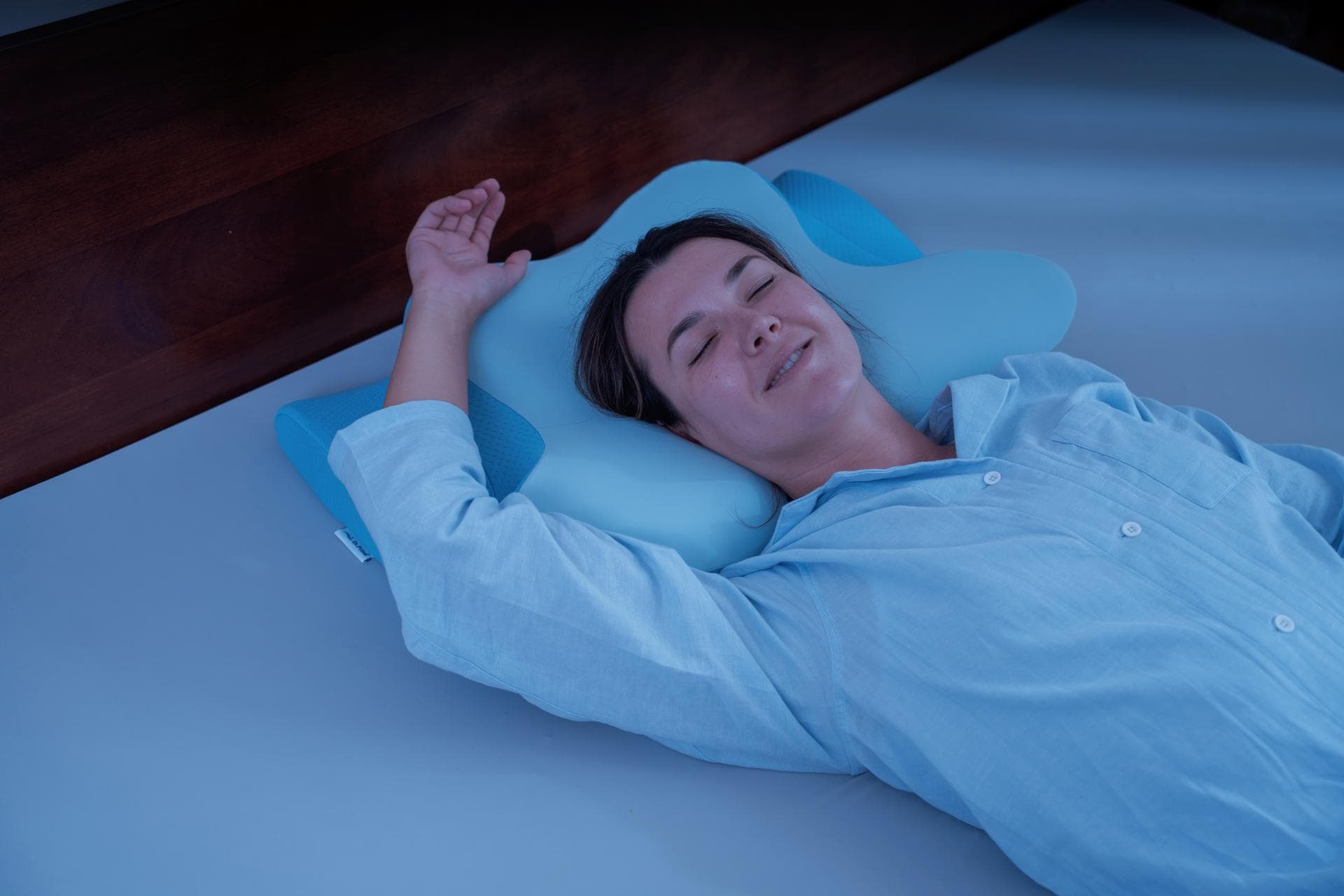
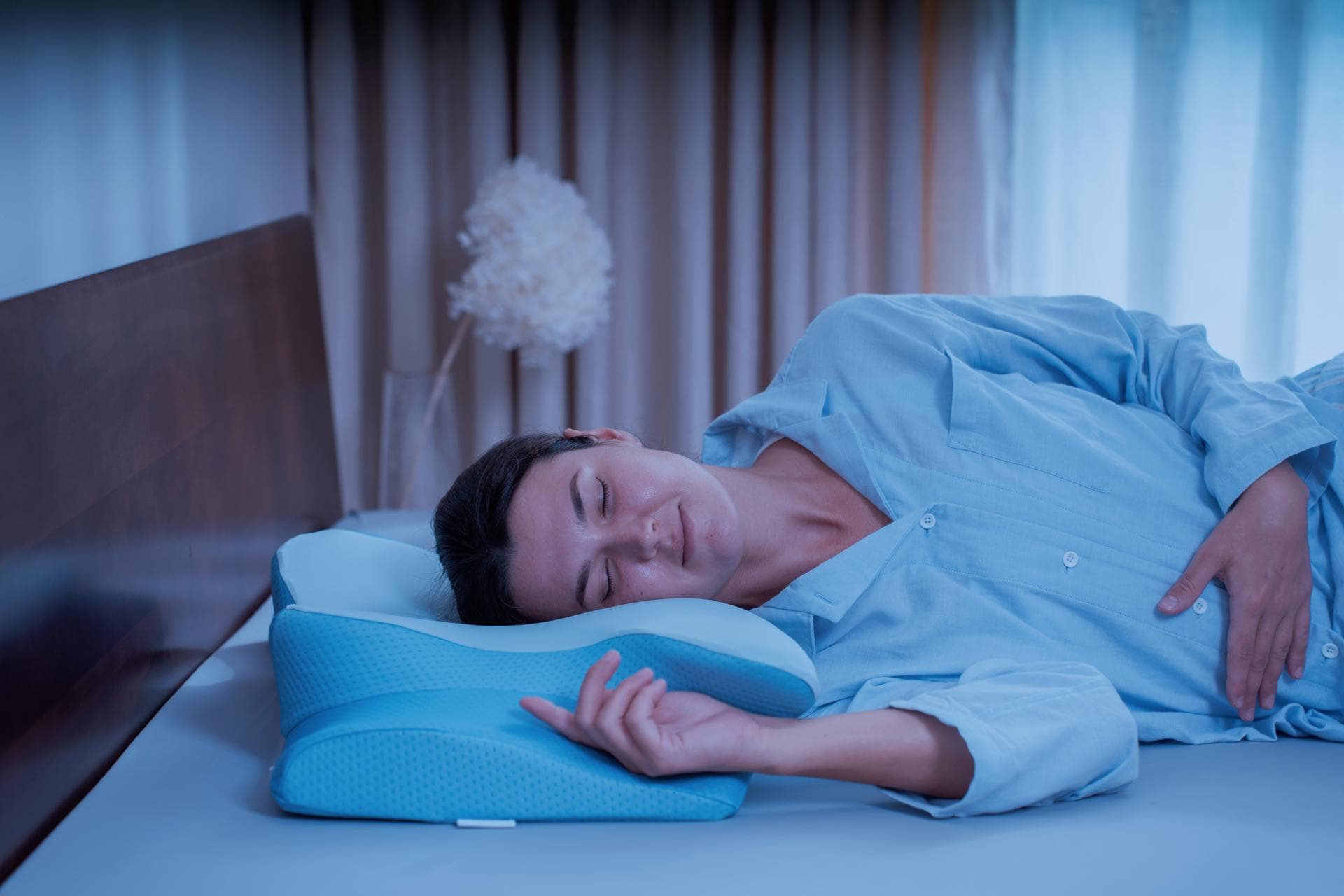
Side Sleepers
Place the PrimeHeal so the front curve rests against the side of your neck, letting the shoulder cutout take the weight off your shoulder for full support.

Back Sleepers
Rest the natural curve of your neck against the pillow's front contour, letting the back of your head settle toward the center for proper alignment.
Stomach Sleepers
Lay slightly higher up on the pillow so your head rests toward one side of the central curve rather than centered, since stomach sleeping naturally turns your head to the side.
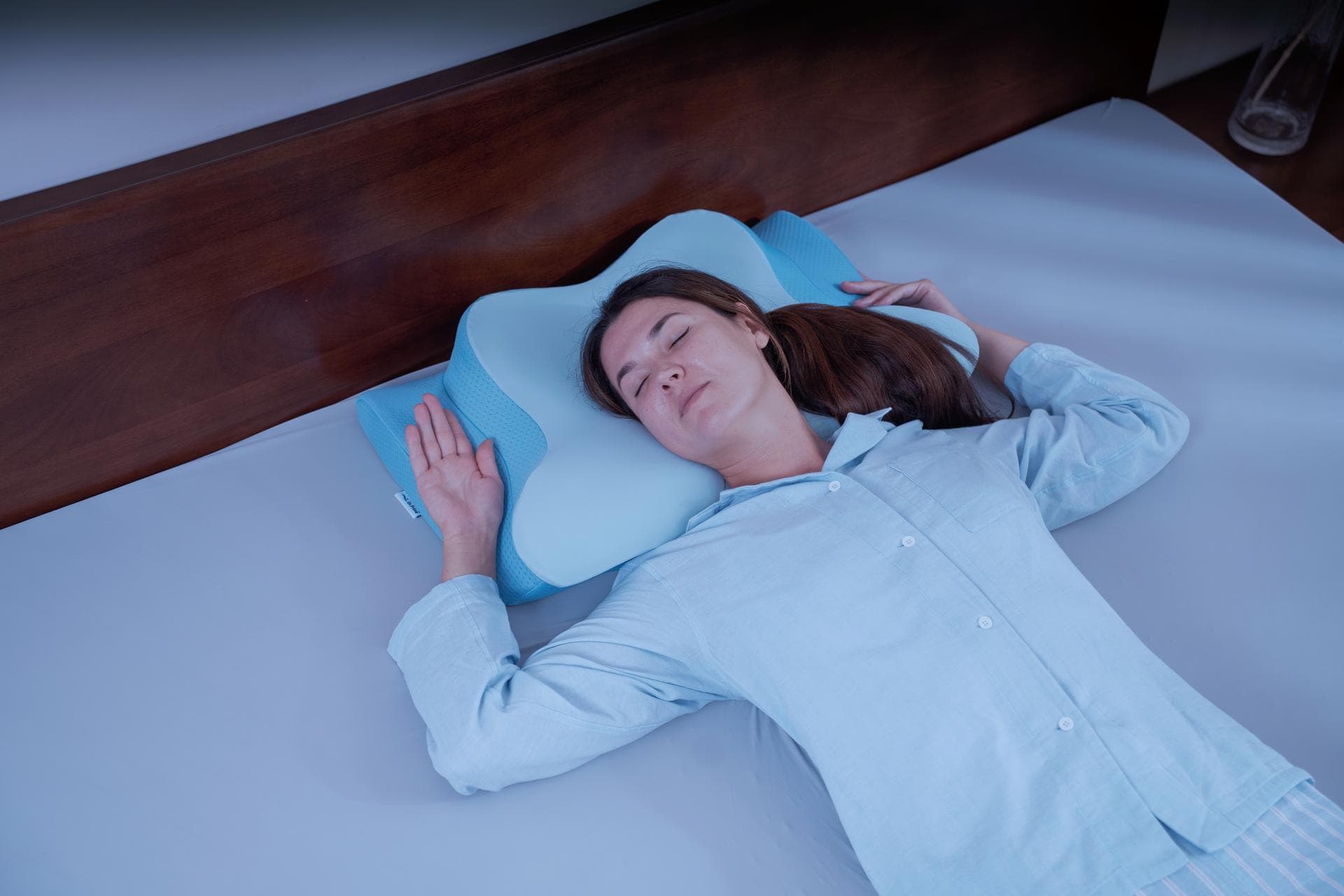
Ever-Changing Sleepers
Make sure the pillow is the right side up and facing toward you before you settle in. The contour will keep your alignment supported as you shift positions through the night.
3. Temperature and Sleep Quality
Body temperature naturally drops as you fall asleep and continues to drop through the night. A pillow that traps heat disrupts this process — you wake up warm, uncomfortable, and in lighter sleep stages.
The Dr.Prime pillow uses a 90% Nylon 10% Spandex cooling stretch fabric on the top surface. This fabric draws heat and moisture away from your head and neck rather than trapping it. The result is a consistently cooler sleep surface throughout the night.
Thermal Optimization Guide
- Keep your bedroom between 65 and 68 °F for optimal sleep temperature
- Use breathable bedding — cotton or bamboo sheets release heat better than polyester
- Avoid heavy synthetic blankets if you sleep hot
- Keep the cooling side of the Dr.Prime pillow facing up — do not flip it to the polyester side during sleep
4. Pillow Care and Hygiene
Proper care ensures your Dr.Prime pillow maintains its cooling surface and orthopedic alignment qualities for years to come.
Cover Care
Remove the cover by unzipping it. Machine wash on a gentle cold or warm cycle with mild detergent. No bleach. No fabric softener. Air dry flat. Do not iron. The Nylon Spandex fabric will be damaged by high heat.
Foam Core Care
Do not machine wash the foam core. Spot clean only using a damp cloth. Allow to air dry completely before reassembling.
How Often to Wash
For best hygiene and freshness, wash the pillow cover once per week as part of your regular bedding care routine. Regular washing helps remove sweat, skin oils, dead skin cells, dust, and other buildup while helping protect the memory foam core over time.
Refreshing Between Washes
Remove the cover and leave the foam in a well ventilated area for a few hours.
5. Daily Habits That Support Cervical Health
What happens during the day affects what happens during sleep. These habits reduce the accumulated tension your pillow has to work against every night.

Screen Position
Phone and laptop screens held below eye level force the head forward and down — a position known as forward head posture that adds enormous mechanical stress to the cervical spine. Keep screens at or slightly below eye level throughout the day.
Desk Setup
Monitor top should be at eye level. Chair back should support the lumbar curve. Arms should be at approximately 90 degrees when typing. If you work at a desk for 6 to 8 hours daily, your setup is one of the most important factors in your neck health.
Stretching
Spend 5 minutes at the end of each day doing gentle neck stretches before sleep. Slow lateral tilts, chin tucks, and shoulder rolls release the accumulated tension from the day and allow your muscles to fully relax during sleep.